 English
 العربية
 Deutsch
 Español
 Français
 Italiano
 Português
 Русский
 Türkçe
 Tiếng Việt
Why Your Website Needs Legal Protection in 2026
Why Your Website Absolutely Needs a Privacy Policy (Right Now)
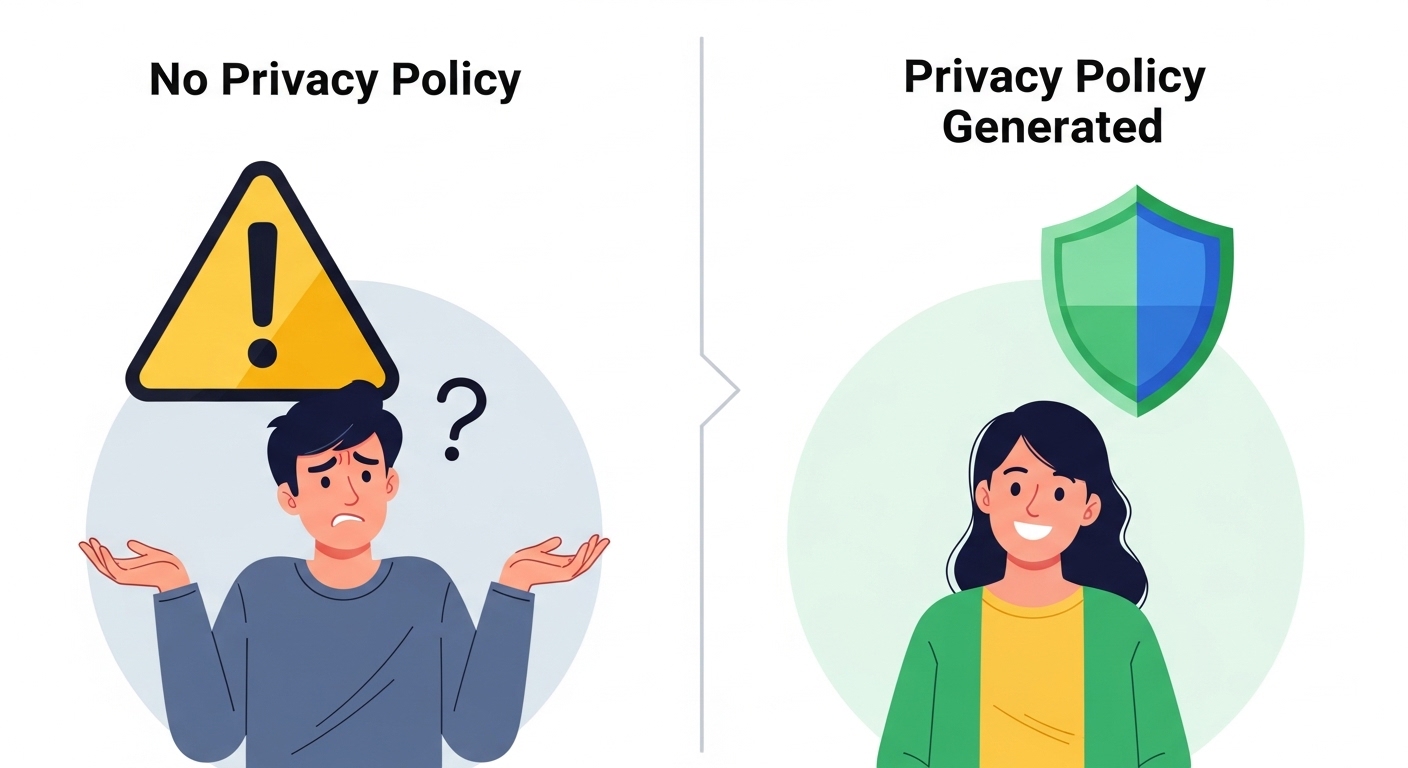
Website privacy compliance isn't just an option. It's a necessity. With data protection laws becoming stricter worldwide, every website owner, blogger and app developer needs a legally sound privacy policy. But hiring a lawyer costs hundreds of dollars, and writing one yourself could leave dangerous legal gaps.
Enter the privacy policy generator a smart online tool that creates professional, customized legal documents in seconds. In this comprehensive guide, I'll explain why you need one, how these tools work, and introduce you to one of the best free options available: Yono-TV's Privacy Policy Generator.
What Exactly Is a Privacy Policy Generator?
A privacy policy generator is an online application that automatically creates a legally-structured privacy policy based on information you provide about your website or business. Instead of struggling with complex legal jargon or copying generic templates that don't fit your specific needs, you simply answer a few questions about your data collection practices, and the tool generates a customized legal document ready for immediate use.
These tools have revolutionized how small business owners, bloggers, and entrepreneurs handle legal compliance. What once required a law degree or expensive attorney fees now takes less than three minutes.
Why Your Website Absolutely Needs a Privacy Policy (Right Now)
Before diving into how generators work, let's address the elephant in the room: do you really need a privacy policy? The short answer is yes for several critical reasons:
Legal Compliance Is Mandatory
Laws like the GDPR (Europe), CCPA (California), PIPEDA (Canada), and LGPD (Brazil) require websites collecting any user data to have a privacy policy. Even if you're based elsewhere, if you have visitors from these regions, you must comply.
Ad Networks Demand It
Google AdSense, Amazon Associates, and virtually every advertising or affiliate program requires a privacy policy. Without one, your monetization applications will be rejected.
Builds Trust and Credibility
Users want to know what happens to their information. Displaying a clear privacy policy shows professionalism and transparency, increasing conversion rates and reducing bounce rates.
Protects You Legally
If a dispute arises regarding data usage, having a documented privacy policy serves as evidence of your disclosed practices, potentially saving you from lawsuits and regulatory fines.
How a Privacy Policy Generator Works (3 Simple Steps)
Using a free privacy policy generator like the one on Yono-TV couldn't be simpler. Here's the typical process:
Step 1: Enter Your Basic Information
You'll provide essential details including:
-
Your website name and URL
-
Business type (ecommerce, blog, SaaS, etc.)
-
Contact email address
-
Data collection methods (cookies, contact forms, analytics)
Step 2: The Tool Generates Your Policy
Behind the scenes, the generator uses predefined legal clauses and dynamically inserts your specific information. Advanced tools account for different legal frameworks (GDPR, CCPA, etc.) based on your audience location.
Step 3: Copy, Paste, and Publish
The result is a ready-to-use HTML or text document. Simply copy it, paste it into a dedicated page on your website (usually /privacy-policy), and you're legally protected.
Key Features to Look for in a Privacy Policy Generator
Not all generators are created equal. Here's what makes a high-quality privacy policy tool stand out:
Instant Generation
The best tools produce your document in seconds, not minutes. Yono-TV's generator delivers immediate results after form submission.
Smart Customization Options
Generic policies are dangerous. Your generator should ask specific questions about:
-
Whether you use Google Analytics or other tracking tools
-
If you collect payment information
-
Whether you use email marketing services
-
If you display third-party ads
Legal-Friendly Structure
Professional policies include standard sections like:
-
Information collection methods
-
Data usage explanations
-
Cookie policies
-
User rights (access, correction, deletion)
-
Data security measures
-
Policy update procedures
Free and Accessible
Free privacy policy generators exist and work wonderfully for most small to medium websites. Avoid tools that hide basic features behind paywalls.
Who Needs a Privacy Policy Generator?
The short answer: anyone operating a website or app. But let me break down specific cases:
Website Owners and Bloggers
Whether you run a personal blog or a large publication, if you have contact forms, comments, or analytics tracking (like Google Analytics), you need a privacy policy.
E-commerce Businesses
Online stores collect names, addresses, payment details, and purchase history. A privacy policy is non-negotiable here, both legally and for customer trust.
App Developers
Mobile apps often access location data, contacts, photos, and device identifiers. App stores require privacy policies for listing approval.
AdSense Publishers
Google explicitly requires publishers to have a privacy policy disclosing their use of cookies and advertising systems.
Freelancers and Consultants
Even a simple portfolio site with a contact form collects user emails. Protect yourself with proper disclosure.
Privacy Policy vs. Terms of Service: What's the Difference?
People often confuse these two legal documents. Here's the distinction:
-
Privacy Policy: Explains how you collect, use, store, and protect user data. Required by data protection laws.
-
Terms of Service: Sets rules for using your website (acceptable behavior, intellectual property rights, disclaimers). Not legally required but highly recommended.
Most privacy policy generators focus specifically on the privacy document, though some also offer terms and conditions generation.
Why Use a Generator Instead of Writing Manually?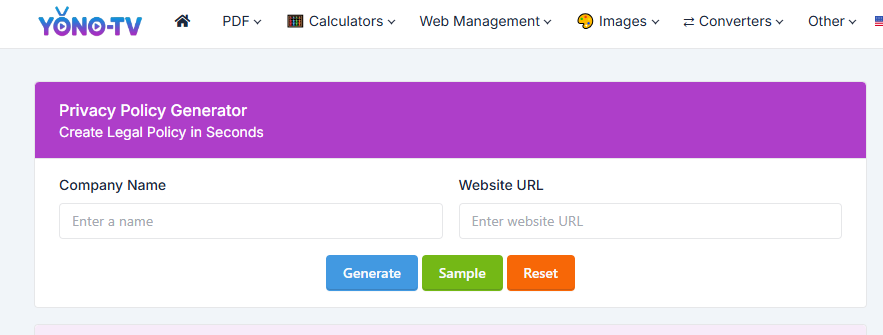
Let me be direct: unless you're a data privacy lawyer, writing your own privacy policy is risky. Here's why:
| Manual Writing | Generator Tool |
|---|---|
| Takes 4-8 hours | Takes 3 minutes |
| Requires legal research | Built by legal professionals |
| Easy to miss required clauses | Includes all standard sections |
| May not cover GDPR/CCPA specifics | Updates as laws change |
| Prone to contradictory language | Consistent legal phrasing |
Even copying someone else's policy is dangerous—their business practices likely differ from yours, making their policy inaccurate for your situation.
What Your Privacy Policy Should Include
A comprehensive privacy policy generated by a quality tool will include these essential sections:
1. Information Collection
What personal data you collect (names, emails, IP addresses, cookies, etc.)
2. Data Usage
How you use collected information (improving services, sending newsletters, processing orders)
3. Data Sharing
Whether you share data with third parties (analytics providers, payment processors, marketing platforms)
4. Cookies and Tracking
What cookies you use and how users can control them
5. User Rights
How users can access, correct, or delete their data
6. Security Measures
How you protect stored information
7. Policy Updates
How you'll notify users of policy changes
8. Contact Information
How users can reach you with privacy questions
Pro Tips for Maximizing Your Privacy Policy
Once you've generated your policy, follow these best practices:
Make It Easily Accessible
Link your privacy policy in your website footer, on signup forms, and anywhere you collect personal information.
Update Regularly
Laws change, and your business practices evolve. Regenerate your policy every 6-12 months or whenever you add new data collection methods.
Add Your Contact Details
Customize the generated policy with your business address and privacy-specific email address.
Be Specific About Cookies
If you use Google Analytics, Facebook Pixel, or any ad network, explicitly name them in your policy.
Keep Language Clear
Avoid overly complex legal terms where simple language works. Your users should actually understand their rights.
Common Mistakes to Avoid
Don't undermine your legal protection with these errors:
-
Using a generic template without customizing for your specific data practices
-
Hiding your policy where users can't easily find it
-
Forgetting to update when you add new tracking or data collection
-
Copying another website's policy (this is legally dangerous and potentially copyright infringement)
-
Not including cookie disclosures if you use any tracking technology
Why Yono-TV's Privacy Policy Generator Stands Out
Among the many free options available, the Yono-TV Privacy Policy Generator offers several advantages:
-
Completely free with no hidden paywalls
-
Instant generation without email signups or delays
-
Covers multiple business types (ecommerce, blogs, apps, etc.)
-
GDPR and CCPA aware for international compliance
-
No technical skills required—just fill in basic information
Frequently Asked Questions About Privacy Policy Generators
Is a generated privacy policy legally valid?
Yes, when properly customized for your specific data practices. However, no automated tool can replace personalized legal advice for complex situations.
Can I use the same policy for multiple websites?
No. Each website needs its own policy reflecting that specific site's data collection methods and business practices.
Do I need a privacy policy if I don't collect personal information?
If you truly collect no personal data (no analytics, no contact forms, no comments, no cookies), you might not legally need one. However, most websites collect IP addresses via server logs alone, which qualifies as personal data under many laws.
How often should I update my privacy policy?
At minimum, review and update annually or whenever you change how you collect or use data.
Will a privacy policy guarantee I won't get sued?
No legal document can guarantee immunity from lawsuits. However, having a compliant privacy policy significantly reduces legal risks and shows good faith compliance.
Final Thoughts: Don't Delay Your Legal Protection
Every day your website operates without a privacy policy is a day of unnecessary legal risk. Whether you're running a small blog, an ecommerce store, or a mobile app, you need this essential legal document.
The good news? Free privacy policy generators make compliance accessible to everyone. With tools like Yono-TV's generator, you can have a professional, legally-structured document in less time than it takes to drink your morning coffee.
Take action today: Visit the Yono-TV Privacy Policy Generator, enter your website details, and generate your custom privacy policy. Copy it to your website, and you're legally protected.
Your users will appreciate the transparency, ad networks will approve your applications, and you'll sleep better knowing you've taken this critical step toward proper data privacy compliance.

Popular Tools
Recent Posts