The Ultimate Guide to Using a Random Word Generator
The Ultimate Guide to Using a Random Word Generator
In the digital age, where content is king and creativity is the currency of success, we often find ourselves staring at a blank screen, waiting for inspiration to strike. Whether you are a writer battling the dreaded “writer’s block,” a game master designing the next epic quest, or a teacher looking for engaging classroom activities, sometimes all you need is a single spark to ignite the fire of imagination. That spark often comes in the form of a simple, unexpected noun or verb.
Enter the Random Word Generator. At first glance, it might seem like a simple tool, but beneath its surface lies a powerhouse for cognitive flexibility, language learning, and creative problem-solving. In this comprehensive guide, we will explore the myriad ways you can leverage tools like the one found Random Word Generator to enhance your projects, overcome mental blocks, and unlock ideas you never knew you had.
What Exactly is a Random Word Generator?
A random word generator is a software tool or online application that selects words from a vast database without a predetermined pattern. While the concept sounds simple, the sophistication behind these tools varies. Some pull from a standard dictionary, while others use curated lists based on parts of speech, complexity, or even emotional tone.
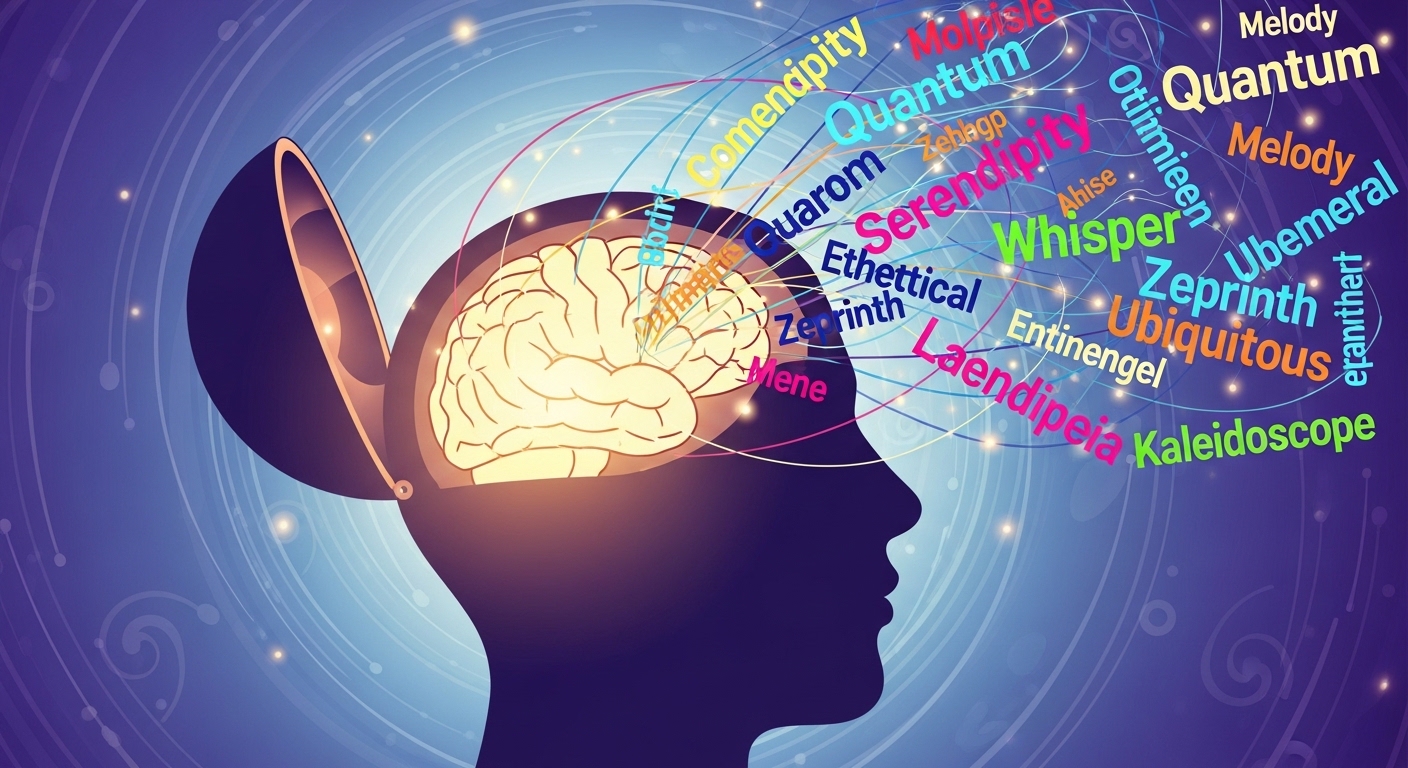
The goal of these tools is to introduce serendipity into your workflow. By forcing your brain to connect an unrelated concept to your current problem, you activate the brain's default mode network. The part responsible for creativity and “aha!” moments. If you are looking for a reliable starting point the Random Word Generator offers a clean interface to get those creative juices flowing instantly.
5 Powerful Ways to Use a Random Word Generator
1. Overcoming Writer’s Block
Every writer knows the terror of the blinking cursor. When you are stuck on a plot point or struggling to start a chapter, a random word can serve as a constraint. Constraints breed creativity.
For instance, if you generate the word “Umbrella,” you can immediately start asking questions:
-
Who is holding the umbrella?
-
Is it raining, or are they using it as a shield?
-
Is it a symbol of protection or isolation?
By forcing a random element into your narrative, you bypass the logical, judgmental part of your brain (the inner editor) and tap directly into the subconscious, associative part. Try generating three random words and challenge yourself to write a short story connecting them all in under 15 minutes.
2. Enhancing Classroom Learning and Vocabulary
For educators, vocabulary drills can become mundane. A random word generator turns vocabulary building into a game. Teachers can use the tool to:
-
Spelling Bees: Generate a random word and have students spell it.
-
Improvisation: In drama class, students pull a random word and must act it out or create a monologue based on it.
-
Creative Writing Prompts: Instead of the usual prompts, let the machine decide. Students will be more engaged because the randomness adds an element of surprise and fairness.
3. Game Development and Pictionary
If you enjoy party games like Pictionary, Charades, or Codenames, a random word generator is an essential tool. Instead of relying on pre-printed cards that you eventually memorize, a digital generator ensures infinite replayability.
Gather your friends, hook your laptop up to the TV, and let the generator pick the words. The unpredictability ensures that no two game nights are ever the same. It also levels the playing field, as everyone is reacting to the same unexpected prompt.
4. Brainstorming and Product Naming
In the corporate world, naming a new product, service, or startup is notoriously difficult. You need something memorable, available as a domain, and reflective of your brand’s ethos. Using a random word generator for brainstorming can help you find compound words or metaphors you wouldn't have considered otherwise.
Let’s say you are naming a new cybersecurity firm. If the generator gives you “Iron,” you might land on “IronWall.” If it gives you “Sentinel,” you might combine it with “Digital” or “Cloud.” The generator acts as a thesaurus of serendipity, helping you build from a foundational concept.
5. Artistic and Design Inspiration
Visual artists and graphic designers also benefit from random word generation. If you are suffering from creative block, generate a word to use as the theme for your next sketch, illustration, or UI design. It pushes you out of your comfort zone. If you typically draw portraits and the word is “Machinery,” the challenge of merging organic life with mechanical elements can lead to a unique artistic style or series.
The Psychology Behind Randomness and Creativity
Why does randomness work so well for the human brain? The answer lies in cognitive fixedness. As we gain expertise in a field, we develop fixed patterns of thinking. We know what works, so we stick to it. While this is efficient, it stifles innovation.
Random word generation forces lateral thinking. When you introduce an unrelated stimulus—like the word “Mountain” while trying to solve a software bug—your brain begins to form bridges between disparate concepts. Perhaps “Mountain” suggests “stability,” “layers,” or “peak performance.” Suddenly, a solution emerges not from technical manuals, but from metaphor.
This process is often used in design thinking workshops and is sometimes referred to as “Provocation.” The random word acts as a provocation, pushing your mind off its usual track and onto a new path of discovery.
How to Maximize Your Results
To get the most out of your experience, consider these advanced tips when using a tool like the Random Word Generator :
-
Combine Words: Don’t stop at one. Generate 3 to 5 words and try to form a cohesive idea from them. The tension between seemingly unrelated words often yields the most innovative results.
-
Set a Timer: Creativity loves a deadline. Give yourself 10 minutes to create something based on the first word that appears. This prevents overthinking.
-
Use Filters: If the tool allows, filter by nouns, verbs, or adjectives. Verbs are great for action-oriented brainstorming, while nouns are best for world-building.
-
Keep a Journal: When you generate a word you love, write it down. Over time, you’ll build a personal “seed bank” of inspiration that you can return to when you’re not near a computer.
Suggested Tool Links:
- ➡️ Yono-TV Word Counter Tool
- ➡️ Yono-TV Password Generator
- ➡️ Yono-TV QR Code Generator
- ➡️ Yono-TV Case Converter
The Future of Random Generation
As artificial intelligence and machine learning evolve, random word generators are becoming smarter. We are moving beyond simple dictionary dumps into context-aware generation. Future tools may generate words based on mood (dark, whimsical, technical) or even generate associated imagery alongside the text.
However, the core principle remains the same: humans need external stimuli to break internal patterns. Whether you are using a basic script or an advanced AI-driven tool, the value lies in your reaction to the unexpected.
Final Point
In a world saturated with information, finding original ideas can feel like an uphill battle. Yet, the solution is often simpler than we think. By introducing an element of chance into your creative process, you strip away the fear of failure and the paralysis of perfectionism.
A random word generator is more than just a novelty; it is a tool for mental flexibility. It serves writers, marketers, educators, game designers, and dreamers alike. So, the next time you find yourself stuck, don’t force the idea. Let randomness guide you.
Ready to start? Click here to access the Random Word Generator and let the universe (or the algorithm) give you your next big idea. Whether you are writing a novel, designing a game, or just looking for a fun party activity, the perfect word is just a click away.

James Smith
CEO / Co-Founder
Enjoy the little things in life. For one day, you may look back and realize they were the big things. Many of life's failures are people who did not realize how close they were to success when they gave up.
Popular Tools
Recent Posts